

The roofing is an essential aspect of any building. Yet, many property owners overlook the significant differences between commercial and residential roofing. Knowing about these differences can be time, money, and frustration-saving in the future. This informative post will help you differentiate the two and make effective decisions on behalf of your property.
One of the main differences lies in the materials used. The roof of a residential house is typically asphalt, clay tiles, or metal sheets. They are long-lasting, beautiful, and match the theme of a home. In contrast, commercial roofs often require industrial materials such as TPO (thermoplastic polyolefin), EPDM (ethylene propylene diene monomer), and built-up roofing. These materials are designed to be durable, energy-efficient, and easy to maintain on large flat surfaces.
Design also varies. The roofs of residential houses usually use sloping roof designs, which enable rain and snow to slide. Commercial roofs are typically either flat or slightly sloped. Flat buildings make it easier to install HVAC systems, solar panels, and other equipment. Although the flat roofing is expensive in terms of maintenance, it saves on costs in the case of large-scale buildings.
Commercial roofing work is usually bigger and more complicated than residential roofing. A single-family house has a simple layout that is generally covered by a residential roof. Commercial buildings, on the other hand, can be subdivided into several parts, have complicated designs, and are more critical in terms of their square footage. This size disparity involves special tools and methods of set-up and repair. In commercial roofing, contractors must account for liquid drainage, insulation, and load-bearing capacity, which are not always as crucial in residential roofing.
The installation of residential and commercial roofing is very different. Residential roofing is a faster process because of its smaller size and simpler designs. A typical house roof can be done in a matter of days by the contractors. Commercial roofing, in its turn, is more labor-intensive. It could be multilayered, insulated, and waterproof. Commercial roof project timelines may cover a period of a few weeks or months, depending on the size of the structure and the complexity of the roof.
Also, the commercial roofing work frequently necessitates communication with other occupations, including electricians or HVAC installers. This coordination will mean that the roof is able to support all the equipment needed without loss of structural integrity.
Maintenance requirements are also different. The roofs of houses usually require twice-yearly and post-weather checks. The homeowners are able to do the minor repairs by themselves or employ a roofing firm to help them out. Commercial roofs, on the contrary, must be inspected and maintained by a professional on a regular basis. Flat roofs are more prone to the accumulation and leakage of water, which can cause significant damage when not taken care of. Regularly performing maintenance may help keep a commercial roof, as well as preserve the structural integrity of a building.
The lifespan of materials is also different. A residential roof using asphalt shingles lasts 20 to 30 years, and 25 to 35 years with the proper maintenance of commercial roofing, such as TPO or EPDM. It is essential to decide on the appropriate material to use based on the type of property, to have a long life span, and to save money.
Another important aspect of residential and commercial roofing differentiation is the cost. Residential roofs are cheaper on a per-square-foot basis because they are smaller and made of relatively simple materials. Commercial roofing projects are larger, use specialized materials, and involve complex installations, making them more expensive. Although the initial investment is high, commercial roofs deliver long-term performance, energy efficiency, and minimal disruption to business operations.
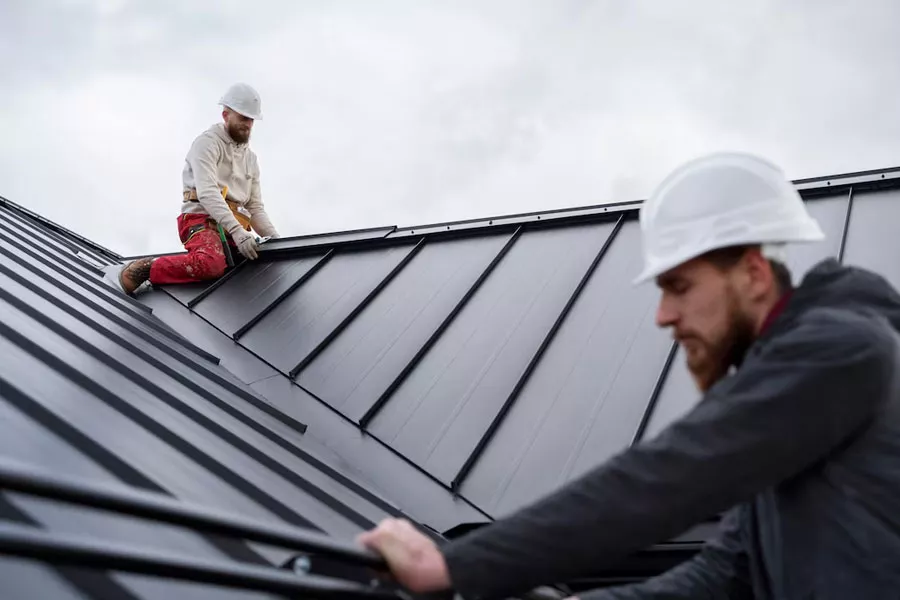
Building codes and safety requirements are also different. Commercial roofing tends to be more regulated, such as fire resistance, compliance with wind loads, and OSHA safety requirements. The residential roofing standards are not that strict and still guarantee the quality and safety. Licensed contractors must follow all local codes to prevent fines and ensure a safe environment for occupants.
The selection of a suitable roofing contractor should be a part of commercial and residential projects. A trained contractor is well aware of the variations in the materials, installation, and maintenance. A and A Roofing is a company that offers professional roofing, roof repairs, and metal roofing on the Florida Panhandle. They offer dependability and quality services through their licensed roofing contractors to their commercial and residential properties.
A and A Roofing are not only installing roofs but also offering advice on the choice of materials, maintenance, and economical recommendations. Be it a need to have a solid residential roof or a solid commercial roofing system, professional help will assure your investment will last for decades.
To property owners in the Florida Panhandle, it is essential to deal with a trusted roofing contractor. A & A Roofing provides full-range roofing services to meet your needs. They have professional roof installers, repairmen, and metal roofers who are licensed. Relax and leave your property under the protection of Trust A and A Roofing, and expect excellent outcomes in terms of professionalism and responsibility.
Copyright © 2026 A & A Roofing I All Rights Reserved I Privacy Policy I Terms of Use
